
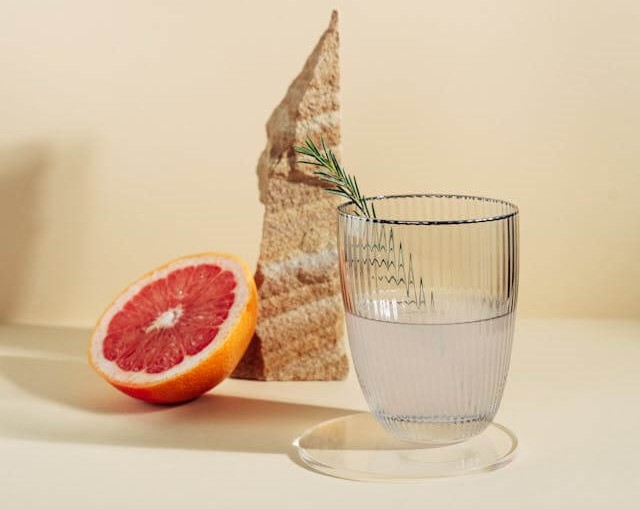
Stay Hydrated: The Key to Health and Wellness
Hydration is often overlooked in the hustle and bustle of daily life, but the truth is that drinking enough water is one of the most essential aspects of maintaining overall health. Water is involved in nearly every bodily function, from regulating body temperature to lubricating joints, transporting nutrients, and even aiding cognitive functions. While drinking water might seem like a simple task, many people underestimate its importance or struggle to meet their daily hydration needs. In this article, we explore why hydration matters, the benefits of staying hydrated, the daily intake recommendations, and practical tips to help you stay hydrated throughout the day.
Why Hydration Matters
Water is one of the most important components of the human body, making up approximately 60% of an adult’s body weight. Given its role in supporting various biological processes, it is no surprise that dehydration, even at mild levels, can lead to a host of health issues. Let’s break down some of the key reasons why hydration is so critical for your health:
1. Temperature Regulation
Water plays a critical role in regulating body temperature. Through processes like sweating and respiration, the body uses water to cool down when it gets too hot. When the body sweats, water evaporates from the skin’s surface, releasing heat and cooling down the body. Without enough water, the body is unable to regulate temperature properly, which can lead to heat exhaustion or heat stroke (National Institutes of Health, 2021).
2. Joint Lubrication
Joint health is another essential function supported by proper hydration. Water acts as a lubricant for joints, helping to keep them moving smoothly and reducing the risk of injury and discomfort. If you are not properly hydrated, it can lead to joint pain, stiffness, and even a higher risk of injury, particularly during physical activities (Mayo Clinic, 2020).
3. Nutrient Transport and Waste Removal
Water is vital for the transportation of nutrients throughout the body. It helps carry oxygen and essential nutrients to your cells and removes waste products from the body through the kidneys and urinary system. Without sufficient water intake, the kidneys are less efficient at filtering waste and could lead to issues such as kidney stones or urinary tract infections (UTIs) (American Kidney Fund, 2020).
4. Cognitive Function
Cognitive function can also be significantly impacted by dehydration. Even mild dehydration can affect concentration, memory, and mood. According to a study published in the Journal of Nutrition in 2011, dehydration was found to impair cognitive performance, leading to difficulties in concentration and short-term memory recall. Chronic dehydration has also been associated with mental fatigue, irritability, and reduced overall brain function (Ganio et al., 2011).
5. Skin Health
Adequate hydration is essential for maintaining healthy skin. Skin is the body’s largest organ, and water helps keep it supple, glowing, and hydrated. Dry, flaky skin can be a sign of dehydration. Additionally, when the body is properly hydrated, it aids in flushing out toxins that could contribute to acne or other skin issues (Journal of Clinical and Aesthetic Dermatology, 2011).
Dehydration: The Risks of Insufficient Hydration
While hydration is crucial for your health, dehydration can have serious consequences. Even mild dehydration can lead to a variety of symptoms, including:
- Fatigue and tiredness
- Headaches
- Dizziness or lightheadedness
- Dry mouth or skin
- Reduced physical performance
- Poor concentration and memory
Chronic dehydration can result in more severe health problems, such as kidney stones, urinary tract infections, urinary retention, and even heat stroke. In extreme cases, dehydration can lead to organ failure or death, particularly if it is left unaddressed over an extended period.
Daily Water Intake Recommendations
While the specific amount of water you need can vary depending on factors such as activity level, climate, and overall health, general guidelines suggest the following:
For Men:
The National Academies of Sciences, Engineering, and Medicine recommend that men consume approximately 3.7 liters (125 ounces) of total water per day, including all beverages and food.
For Women:
For women, the recommended daily water intake is about 2.7 liters (91 ounces) of total water, including all beverages and food. Pregnant and breastfeeding women have slightly increased hydration needs due to the demands of supporting the developing fetus or infant (Institute of Medicine, 2004).
These recommendations account for all sources of hydration, including water from beverages, such as tea, coffee, and juice, as well as moisture-rich foods like fruits and vegetables.
Hydration Hacks for Busy Lifestyles
For many people, staying hydrated can feel like a challenge, especially in the midst of a busy lifestyle. However, with a few simple strategies, you can make hydration a seamless part of your daily routine:
1. Start Your Day with Water
Drinking a glass of water first thing in the morning can kickstart your metabolism and rehydrate your body after a night of sleep. Since you lose water while you sleep through breathing and sweating, this is a great way to replenish your fluids and set the tone for the rest of the day.
2. Carry a Reusable Water Bottle
Investing in a reusable water bottle can make it much easier to stay hydrated. Choose a bottle that is large enough to hold a substantial amount of water and track your intake throughout the day. Look for bottles with volume markings to help you keep track of how much you’ve consumed and how much more you need to drink.
3. Infuse Water with Flavor
If plain water feels boring, try infusing it with fruit, herbs, or even spices to make it more appealing. Adding slices of citrus fruits, cucumber, or herbs like mint can give your water a refreshing flavor and encourage you to drink more. Flavored water is also a great alternative to sugary beverages like soda or juice.
4. Set Reminders
With busy schedules, it’s easy to forget to drink enough water throughout the day. Set hourly reminders on your phone or use a hydration app to prompt you to take a sip regularly. This simple habit can go a long way toward ensuring you stay hydrated.
5. Eat Hydrating Foods
Fruits and vegetables are excellent sources of water, so be sure to incorporate them into your diet. Foods like watermelon, cucumbers, oranges, strawberries, and celery are high in water content and can help keep you hydrated without relying solely on liquids.
6. Monitor Urine Color
One simple way to gauge hydration is by checking the color of your urine. Ideally, your urine should be pale yellow. Darker urine can indicate dehydration and may signal the need for more fluids.
7. Choose Non-Caffeinated Beverages
While beverages like coffee and tea can contribute to your overall fluid intake, excessive caffeine can have a diuretic effect and increase the need to urinate. To maintain hydration, balance your caffeinated drinks with water or herbal teas that are not diuretic.
Hydration Myths Debunked
There are several common misconceptions about hydration that could hinder your efforts to stay properly hydrated. Let’s take a look at some of these myths and set the record straight:
Myth: You Need Exactly 8 Glasses of Water a Day
The idea that everyone needs to drink eight 8-ounce glasses of water per day is a simplified guideline and doesn’t account for individual needs. Hydration requirements vary depending on factors such as age, sex, activity level, and climate. For example, a person who exercises regularly or lives in a hot climate will likely need more water than someone who is sedentary (Mayo Clinic, 2020).
Myth: Thirst is the Best Indicator of Hydration
While thirst can be a signal that your body needs more fluids, it is often a late-stage indicator. By the time you feel thirsty, you may already be mildly dehydrated. It’s important to drink water consistently throughout the day, even before you feel thirsty.
Myth: Drinking Water Causes Water Retention
Many people believe that drinking too much water will cause the body to retain water. However, staying hydrated actually helps the kidneys filter waste more efficiently and prevents water retention. Dehydration can actually lead to fluid buildup as the body tries to conserve water (National Institutes of Health, 2021).
Conclusion
Hydration is essential for maintaining overall health, impacting everything from physical performance to cognitive clarity. By incorporating simple hydration hacks into your daily routine, you can ensure that your body functions optimally and that you feel energized throughout the day. Remember, the goal is not just to drink water but to maintain a balanced and consistent intake that supports your body’s needs. Your body will thank you for it!
Sources:
- National Institutes of Health. (2021). Water and Human Health.
- Mayo Clinic. (2020). Dehydration.
- American Kidney Fund. (2020). Hydration and Kidney Health.
- Institute of Medicine. (2004). Dietary Reference Intakes for Water, Potassium, Sodium, Chloride, and Sulfate.
- Ganio, M. S., et al. (2011). Dehydration and cognitive performance. Journal of Nutrition, 141(6), 1054-1062.
- Journal of Clinical and Aesthetic Dermatology. (2011). Hydration and Skin Health.
 Wellness with EDS
Leave a comment